Next:
The Arduino Board
Up:
Sensor Interfaces
Previous:
The Wi-microDig by I-CubeX
The Digitizer by I-CubeX
The microDig by I-CubeX
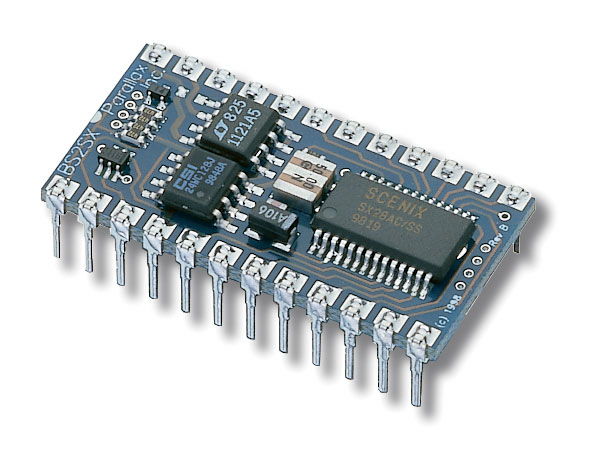
The BASIC Stamp by Parallax
The Miditron by Eroktronix
The Teabox by Electrotap
The CUI32 PIC32MX Development Stick by Dan Overholt
The Wise Box by IRCAM
The Toaster by la kitchen
The Kroonde Gamma by la kitchen
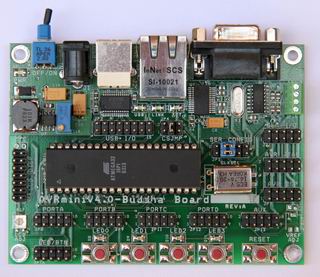
The AVRmini by Pascal Stang
Discontinued Systems
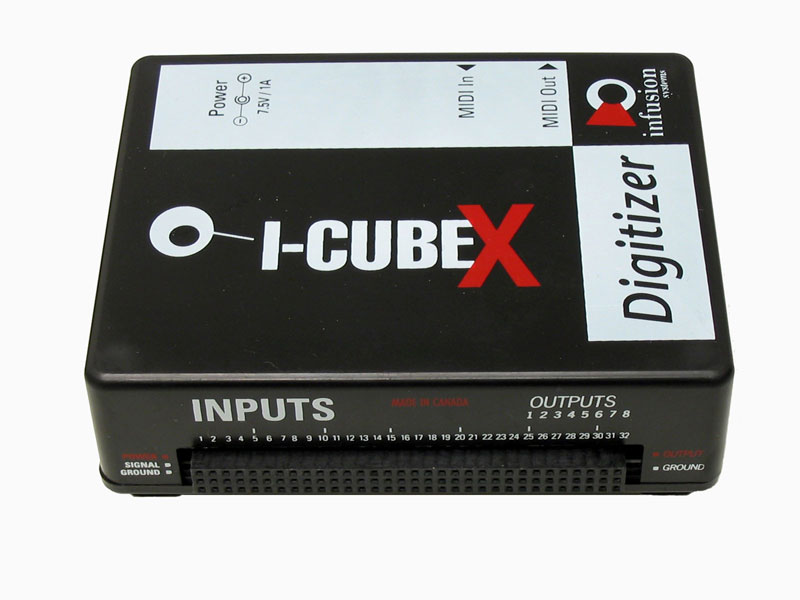
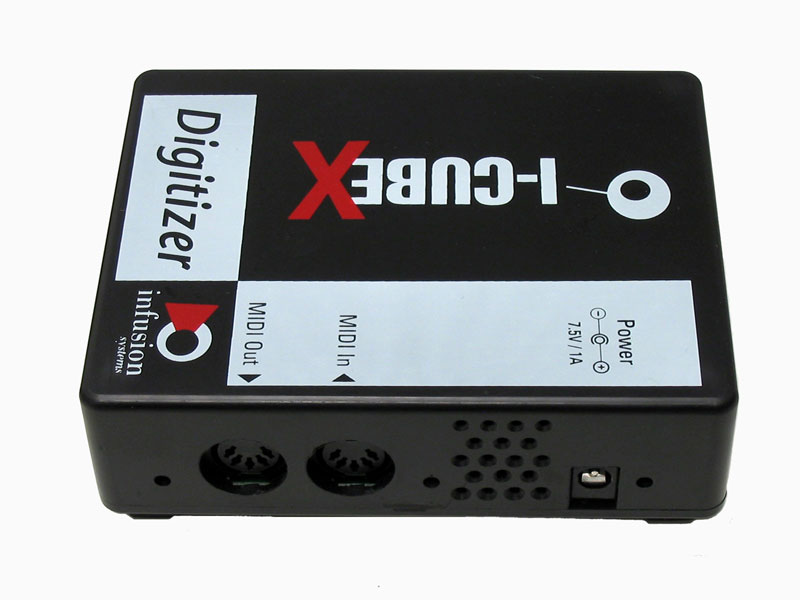
The
Digitizer
by
I-CubeX
Cost: $198 US
Connection: MIDI
Inputs / Outputs: 32 / 8
Signal Bandwidth: 24 – 244 Hz (depends on number of I/O pins in use)
ADC Resolution: 7 or 12 bit
Power: external 7.5 V supply
Sensors are generally purchased from Infusion Systems, at significant cost.
Programmed from a host computer via MIDI system exclusive messages (Windows, OS-X, 3rd party Linux).
Can save settings for “stand alone” mode.
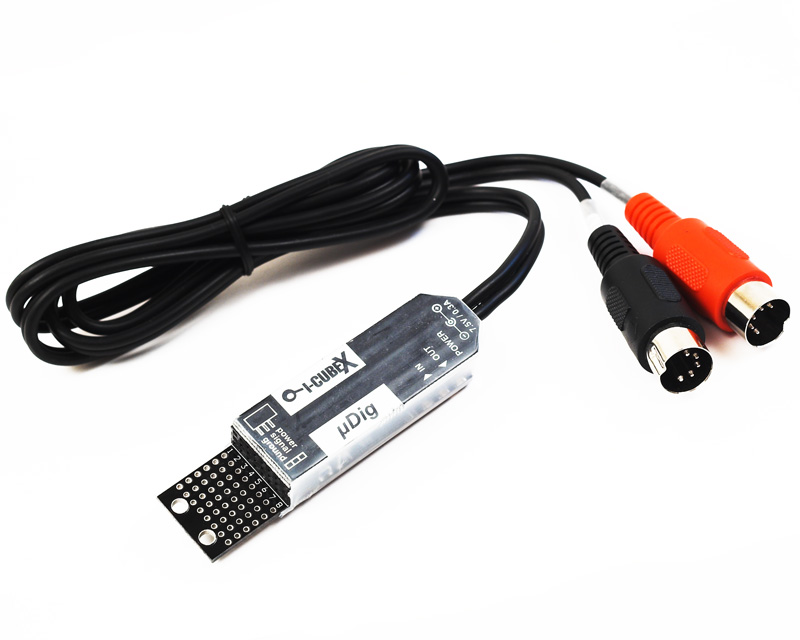
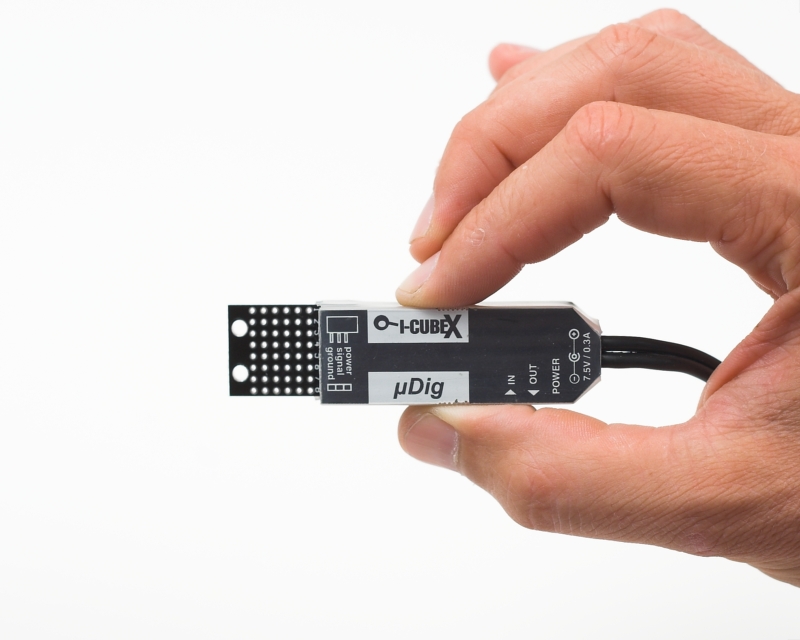
The
microDig
by
I-CubeX
Cost: $111 US
Connection: MIDI
Inputs / Outputs: 8 / 0
Signal Bandwidth: 1500 Hz
ADC Resolution: 7 or 10 bit
Power: external 7.5 V supply
Sensors are generally purchased from Infusion Systems, at significant cost.
Programmed from a host computer via MIDI system exclusive messages (Windows, OS-X, 3rd party Linux).
Can save settings for “stand alone” mode.
The
BASIC Stamp
by
Parallax
Cost: $50 and higher US (cheaper in quantity)
Connection: serial (or USB-to-serial interface)
Inputs / Outputs: 16 (32 on BS2p40)
Signal Bandwidth: depends on output serial port speed
ADC Resolution: No built-in ADC but supports 16-bit math
Power: external 5 – 12 V DC supply (can be battery)
User must buy and design own sensor circuits
Programmed from a host computer via serial interface
Output via MIDI protocol is typical (with speed and bit limits)
Can save multiple programs in “stand alone” mode (on models with scratch pad RAM).
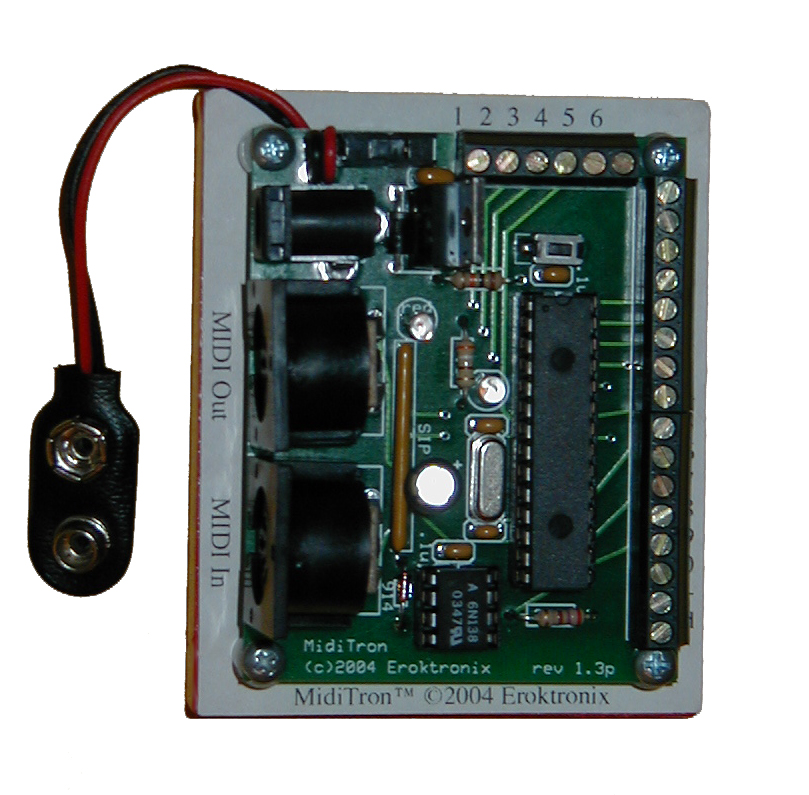
The Miditron by Eroktronix
Cost: $99 US
Connection: MIDI
Inputs / Outputs: 10 analog inputs, 20 digital inputs/outputs or analog (PWM) outputs
Signal Bandwidth: 4000 Hz
ADC Resolution: 10 bit
Power: 9 V battery or external 9 V supply
Sensors are not sold by Eroktronix ... they must be developed by user.
Programmed from a host computer via MIDI system exclusive messages.
Can save settings for “stand alone” mode.
Oriented toward use with Max/MSP.
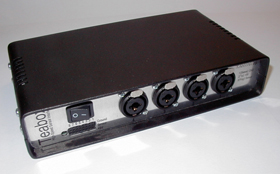
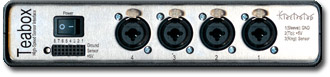
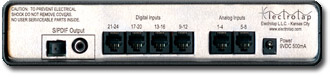
The Teabox by Electrotap
Cost: $295 US
Connection: S/PDIF (RCA or TOSLINK optical)
Inputs / Outputs: 8 / 0 using either XLR, TRS, RJ11 telephone jacks, or 3-pin header, plus 16 digital inputs via RJ11 ports
Signal Bandwidth: 4000 Hz
ADC Resolution: 12 bit
Power: external 9 V supply
Sensors can be purchased from Electrotap or Infusion Systems, at significant cost.
Programmed from a host computer via S/PDIF connection.
Oriented toward use with Max/MSP.
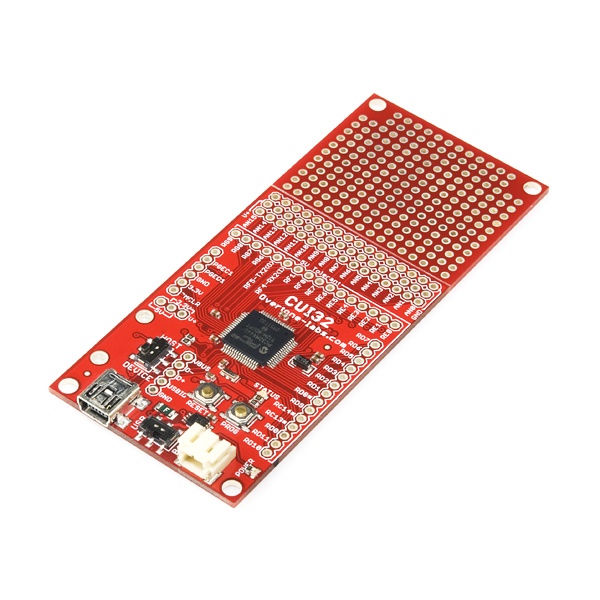
The CUI32 PIC32MX Development Stick by Dan Overholt
Cost: $40 US
Connection: USB or Bluetooth (wireless)
Inputs / Outputs: 13 analog inputs, 17 general inputs/outputs
Signal Bandwidth: depends on USB
ADC Resolution: 10 bit
Power: from USB if less than 100 mA
User must buy and design own sensor circuits
Programmed in C or PIC assembler from a host computer via USB or Bluetooth connection.
Can save settings for “stand alone” mode.
The Wise Box by
IRCAM
Cost: 957 EUR
Connection: USB and WiFi (wireless), OSC
Inputs / Outputs: 16 analog inputs
Signal Bandwidth: 200 Hz
ADC Resolution: 16 bit
Power: batteries or external 3.4 - 6.2 V power supply
User must buy and design own sensor circuits
The Toaster by la kitchen
Cost: 1200 EUR
Connection: OSC over ethernet or MIDI
Inputs / Outputs: 16 analog inputs
Signal Bandwidth: 200 Hz
ADC Resolution: 14 bit
Power: AC power cable
Sensors are sold by la kitchen or can be designed by user.
Configured via MIDI and ethernet
Oriented toward use of OSC
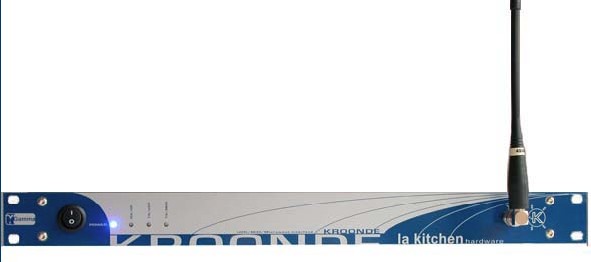
The Kroonde Gamma by la kitchen
Cost: 1200 EUR
Connection: OSC over WiFi or MIDI
Inputs / Outputs: 16 analog inputs
Signal Bandwidth: 200 Hz max (or less depending on inputs and frequency)
ADC Resolution: 14 bit
Power: external 9 V power supply
Sensors are sold by la kitchen or can be designed by user.
Configured via MIDI and ethernet
Oriented toward use of OSC
The AVRmini by Pascal Stang
Connection: ethernet and USB
Inputs / Outputs: numerous header connectors
Signal Bandwidth: 10Mb/s Ethernet, Full-speed USB
Power: USB or external DC supply
User must buy and design own sensor circuits
Programmed from a host computer via USB or ethernet
Can save settings for “stand alone” mode
Was used at CCRMA for several years in the early 2000s
Next:
The Arduino Board
Up:
Sensor Interfaces
Previous:
The Wi-microDig by I-CubeX
©2003-2026 McGill University. All Rights Reserved.
Maintained by
Gary P. Scavone
.